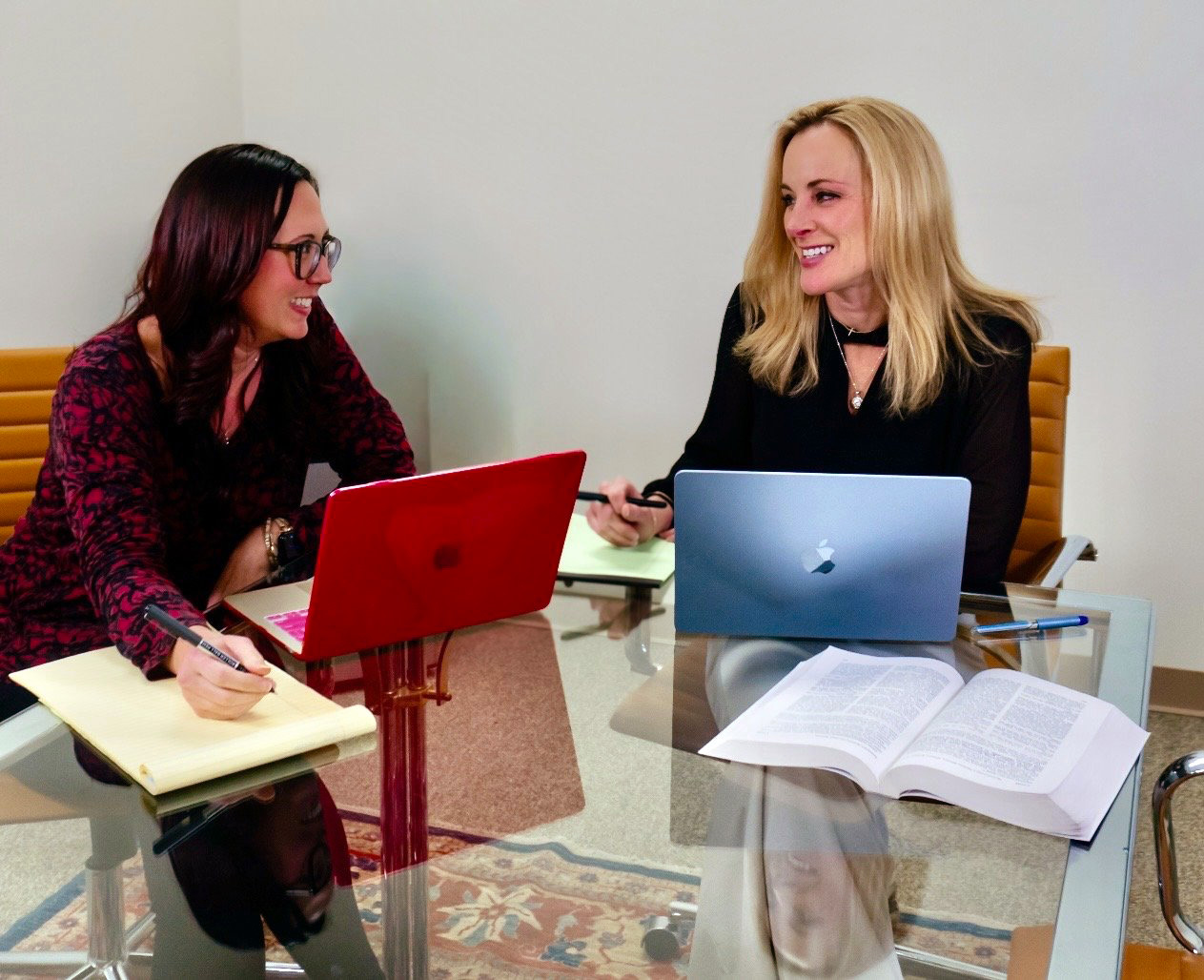
Many family law disputes can be resolved without the time, expense, and uncertainty of a trial.
Mediation provides an opportunity for both parties to work toward a mutually acceptable resolution with the guidance of a neutral third party.
Amy Boyd is a registered civil and domestic relations mediator, having completed her mediation training through Henning Mediation in 2024. Drawing on more than two decades of experience in the Georgia court system, she helps individuals navigate difficult conversations, identify common ground, and pursue practical solutions in a respectful, structured environment.
Unlike a judge, a mediator does not make decisions for the parties or determine who is right or wrong. Instead, the mediator facilitates productive discussions, encourages open communication, and helps the parties negotiate an agreement that addresses the issues most important to them. If an agreement is reached, the terms are documented in a Memorandum of Agreement for the parties and their attorneys to review.
Resolving a case through mediation can often save both time and money while reducing the stress associated with litigation. Parties may participate with or without legal counsel, and mediation sessions can be conducted either in person or remotely. While both options are available, in-person mediation is encouraged whenever possible, as it often leads to more productive discussions and successful outcomes.
How To Prepare
Have the information you need to settle the case.
If the case involves dividing property, know as much as you can about that property, including how much it is worth and how much equity is in the property. Know what is in all your bank accounts. If there are assets that should not be divided, be prepared to demonstrate why. If the case involves custody of children, know what you propose and why it is beneficial for the children. Knowledge is very powerful when trying to resolve a dispute.Be prepared to consider new information.
There are many issues that may need to be resolved, and your perspective on the matter may be very different from the person on the other side of the dispute.Have patience.
Settlement negotiations take time. For disputes involving children, property, and support, a resolution will not be quick, but it is a substantial step in getting your case finalized and worth the time and efforts to reach an agreement. At times the process necessarily involves an extended time (sometimes the majority of the time) when the mediator is in the other room, working with the other party and his or her attorney.If custody of children is at issue, consider the children's best interests and desires, along with stability and routine.
Be prepared to compromise.
Settlement only happens when both parties benefit. Neither party will win or lose. A compromise will involve give and take from both sides.